
Professional Lint Trap Cleaning in Portland, OR
Improve Dryer Efficiency & Reduce Fire Risks
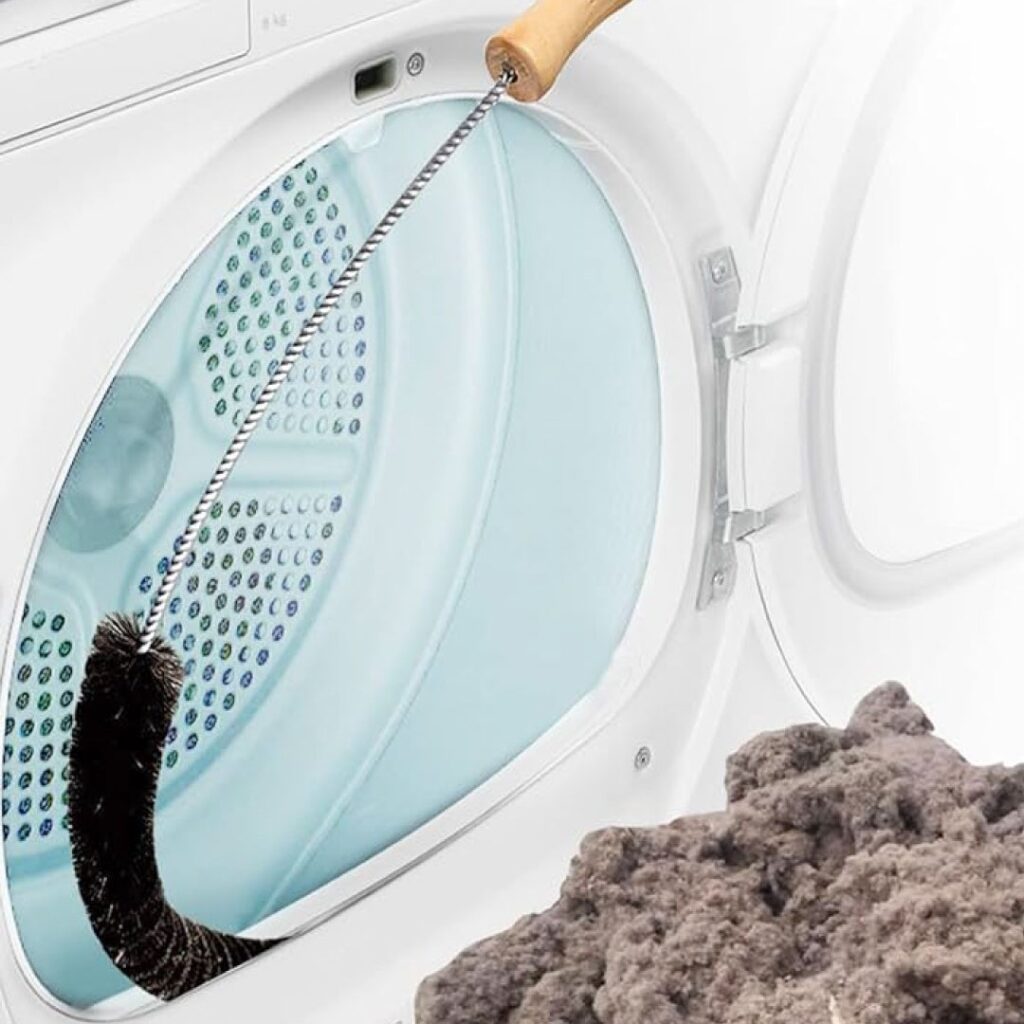
Your Lint Trap Is the First Line of Defense — But It's Not Enough
Most people clean their lint screen after every load. That's a good habit — but lint also accumulates inside the lint trap housing, below the filter slot, and around the lint trap mechanism itself. This hidden buildup restricts airflow, reduces dryer performance, and creates a fire hazard that you can't see by just pulling out the screen.
Over time, fabric softener residue, fine lint, and debris coat the lint screen mesh, reducing its ability to trap lint effectively. And lint that gets past the screen settles in the housing below — where it sits near the heating element.
At Dryer Vent John, we provide professional lint trap cleaning for homes, apartments, and businesses in Portland, OR, and the surrounding metro area. We go beyond what you can do at home — removing built-up lint and debris from the trap housing, cleaning the screen, and restoring proper airflow.
Why Lint Trap Cleaning Is Essential
Many people clean their lint screen regularly, but lint also builds up inside the trap housing and on the screen mesh itself, creating hidden risks:
Reduces Fire Hazards
Lint inside the trap housing sits near the heating element — the most common ignition point in dryer fires. Professional cleaning removes this hidden fuel.
Improves Drying Efficiency
A clogged lint screen and housing restrict airflow, making your dryer work harder and take longer. After professional cleaning, most customers notice faster dry times immediately.
Extends Dryer Lifespan
Restricted airflow causes overheating, which strains the motor, heating element, and thermostat. Keeping the lint trap clean reduces wear and prevents premature failure.
Prevents Overheating & Error Codes
Dryer error codes indicating restricted airflow are often caused by a lint-clogged screen or housing — not just the vent line.
Lowers Energy Costs
A properly ventilated dryer uses less energy. When the lint trap is clean, air moves freely and your dryer dries clothes faster with less power.
Improves Indoor Air Quality
Stops excess lint and dust from bypassing the screen and circulating through your laundry room and home.
If your dryer isn't drying clothes properly or you notice excess lint buildup, it's time for a professional lint trap cleaning.
Schedule Your CleaningSigns Your Lint Trap Needs Professional Cleaning
- Clothes not drying completely in one cycle
- Dryer overheating or shutting off mid-cycle
- Excess lint collecting around the dryer or on clothing after drying
- Burning smell while running the dryer
- Dryer taking noticeably longer than usual to dry loads
- Visible lint buildup inside the lint trap housing (not just the screen)
- Lint screen feels stiff or has a waxy residue from fabric softener
- Water doesn't flow through the lint screen when held under a faucet
If you're experiencing any of these issues, schedule a professional lint trap cleaning.
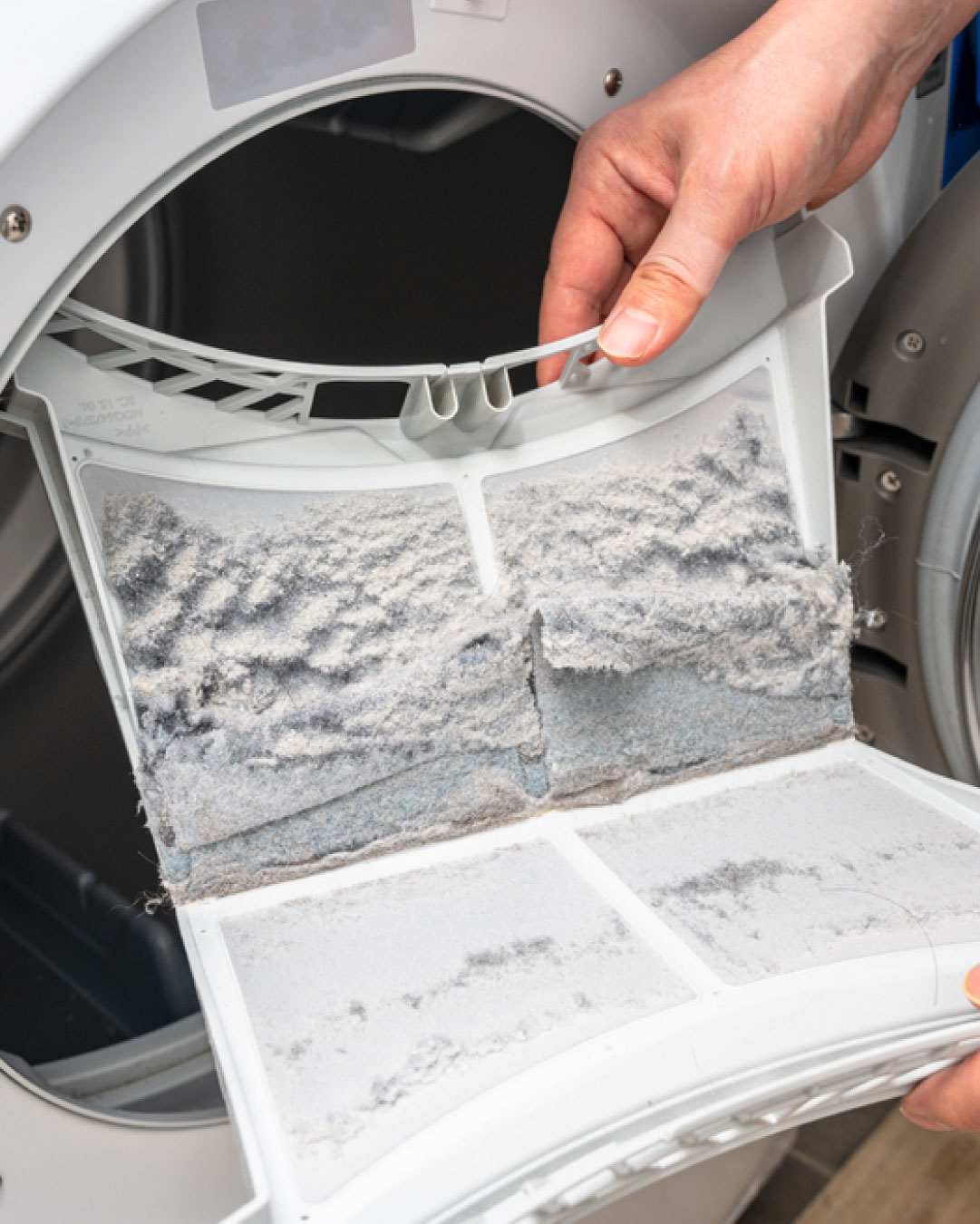
Our Lint Trap Cleaning Process
We provide a thorough, professional deep clean of your lint trap system to restore maximum dryer performance:
- 1
Lint Screen Cleaning
We remove the lint screen and thoroughly clean it — removing not just surface lint but also the invisible film of fabric softener residue that blocks airflow through the mesh.
- 2
Lint Trap Housing Cleaning
We use professional vacuum attachments and brushes to remove lint that has fallen into the housing below the screen slot — the area most homeowners never clean.
- 3
Filter Slot & Cavity Inspection
We inspect the slot and cavity for damage, obstructions, and excessive buildup that indicates other problems in the vent system.
- 4
Screen Condition Assessment
We check the screen for damage — tears, bent frames, or warped mesh that allow lint to bypass the filter and enter the vent system.
- 5
Performance Verification
We verify improved airflow and proper dryer operation after cleaning.
Did You Know?
Your lint trap housing sits inches from the heating element. Lint that builds up in and around the trap is highly flammable fuel next to a heat source — and the NFPA identifies the dryer itself as the leading ignition point in dryer fires.
Source: National Fire Protection Association (NFPA)
Serving Homes & Businesses in Portland, OR
Dryer Vent John provides lint trap cleaning services for:
Homes & Apartments
Single-family homes, condos, and apartment complexes
Businesses & Commercial Properties
Laundromats, hotels, salons, and more
Property Managers & HOAs
Multi-unit buildings and rental properties
If your dryer isn't drying like it used to, the lint trap may be the problem. A quick professional cleaning restores airflow, improves efficiency, and reduces fire risk.
Lint trap cleaning across the Portland metro
No trip charges or mileage fees anywhere in our service area.
- Beaverton lint trap cleaning
- Lake Oswego lint trap cleaning
- Tigard lint trap cleaning
- Gresham lint trap cleaning
- Hillsboro lint trap cleaning
- Tualatin lint trap cleaning
- West Linn lint trap cleaning
- Oregon City lint trap cleaning
- Milwaukie lint trap cleaning
- Clackamas lint trap cleaning
- Happy Valley lint trap cleaning
Related Dryer Vent Services
Dryer Vent Cleaning
Remove dangerous lint buildup, reduce fire risk, and restore your dryer's efficiency.
Learn moreDryer Vent Repair
Fix crushed, disconnected, or damaged vent lines for safe, efficient performance.
Learn moreDryer Vent Installation
New code-compliant vent systems for homes, apartments, and commercial properties.
Learn moreDryer Vent Inspection
Comprehensive safety assessments to catch problems before they become hazards.
Learn moreVent Cover Replacement
Protect your vent from pests, debris, and weather damage with durable covers.
Learn moreTransition Replacement
Replace unsafe foil or plastic hoses with fire-resistant metal ducts.
Learn moreInterior De-Linting
Deep-clean inside your dryer to remove hidden lint from internal components.
Learn moreBooster Fan Services
Repair and install booster fans for long vent runs that need extra airflow.
Learn morePest Removal
Remove birds, rodents, and nesting materials, then sanitize the entire line.
Learn moreFrequently Asked Questions
When you clean the lint screen at home, you remove surface lint. Professional cleaning goes deeper — we clean the housing cavity below the screen, remove fabric softener residue from the mesh, and inspect for damage. These are areas most homeowners never reach.
Every 1–2 years, or sooner if you notice performance issues. If you use fabric softener or dryer sheets frequently, the screen mesh clogs faster and may need cleaning annually.
Yes. Liquid fabric softener and dryer sheets leave an invisible film on the lint screen mesh that blocks airflow even when the screen looks clean. Try running water through your screen — if water pools instead of flowing through, the mesh is coated and needs cleaning.
Yes. The lint trap housing sits directly above or near the heating element in most dryers. Lint accumulation in this area is one of the leading ignition points in dryer fires.
Absolutely. Many customers pair lint trap cleaning with vent cleaning and interior de-linting for complete dryer maintenance. We can handle all three in one visit.